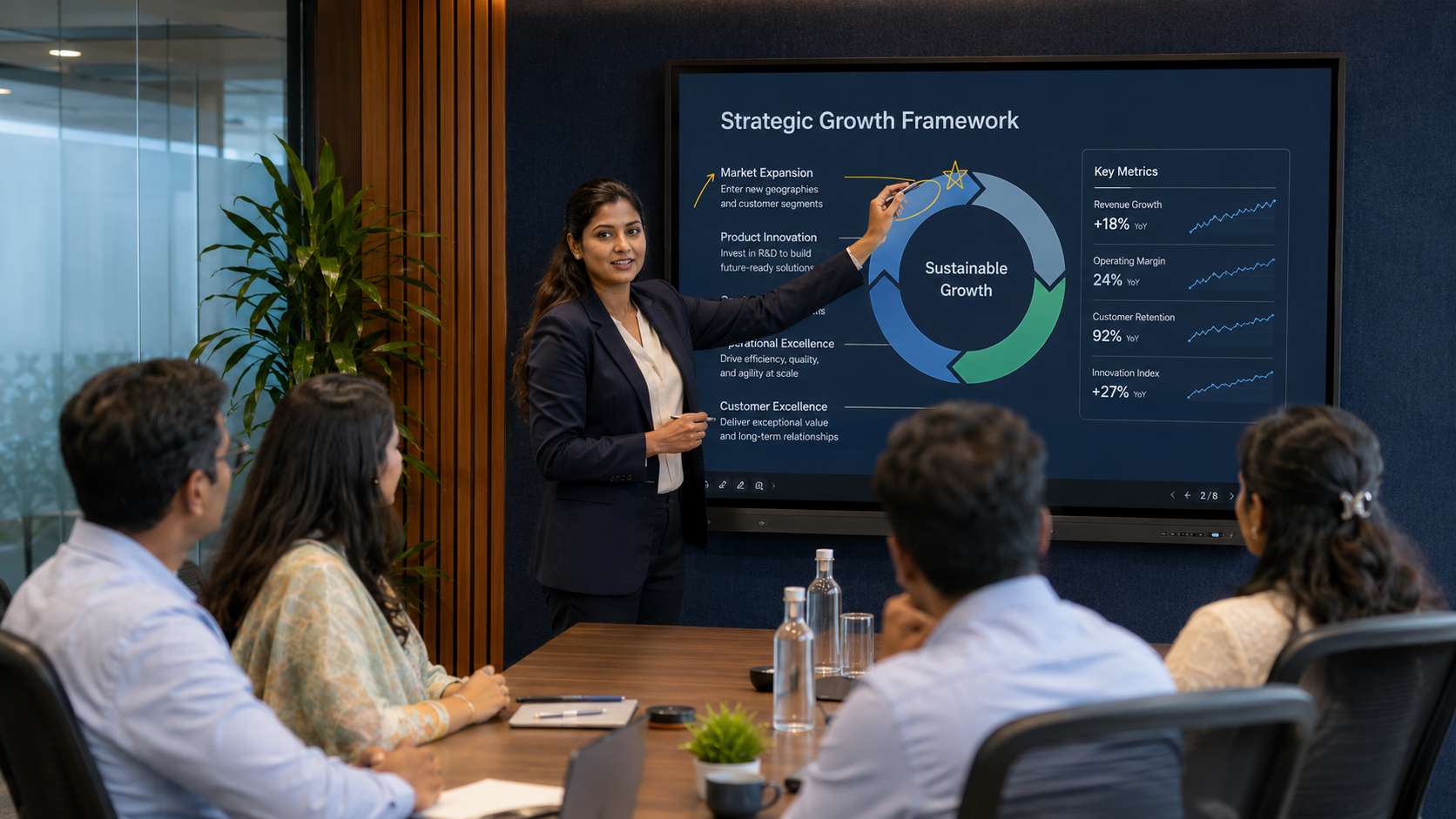
Choosing between AV integration companies in India is less about who has the glossiest brochure and more about who will still answer the phone eighteen months after the invoice is paid. An audio-visual integration project ties together displays, video conferencing, audio, control systems, networking and — increasingly — building automation into one system that has to work every single morning when a meeting starts. Pick the wrong partner and you inherit finger-pointing between the “display vendor”, the “network vendor” and the “furniture vendor”. Pick the right one and you get a single accountable throat to choke.
This guide is the checklist we wish every buyer used before signing. It covers the 7 checks that separate a real systems integrator from a box-reseller, what AV integration actually includes, the SLA and AMC terms worth insisting on, realistic 2026 project cost bands in India, and a scoring sheet for your RFP. It is written from 30 years of doing this work — as a Bangalore-based audio visual integration company that delivers across India — not from a directory listing.
The 7 Checks at a Glance
| # | Check | What “good” looks like | Red flag |
|---|---|---|---|
| 1 | Certification & trained engineers | AVIXA / CTS-certified design + install team | “We have technicians” but no named certifications |
| 2 | OEM partnerships | Authorised partner tiers with major brands | Buys everything on the grey market |
| 3 | In-house vs subcontracted install | Own installation crew & project managers | Sells, then subcontracts strangers |
| 4 | SLA & AMC terms in writing | Defined response times, uptime, AMC options | “We’ll be there when you call” |
| 5 | References & case studies | Similar-scale projects you can verify | No client you’re allowed to speak to |
| 6 | Financial stability & GST compliance | Registered, GST-compliant, years in business | Cash discounts to skip the invoice |
| 7 | Post-install support & training | Handover docs, user training, spares plan | Disappears after sign-off |
What AV Integration Companies in India Actually Do
Before you can compare vendors, it helps to know what you are actually buying. “AV integration” is the discipline of making independent pieces of hardware behave as one reliable system. A genuine integrator owns the whole chain: design, supply, installation, programming, commissioning, and support. The scope typically spans:
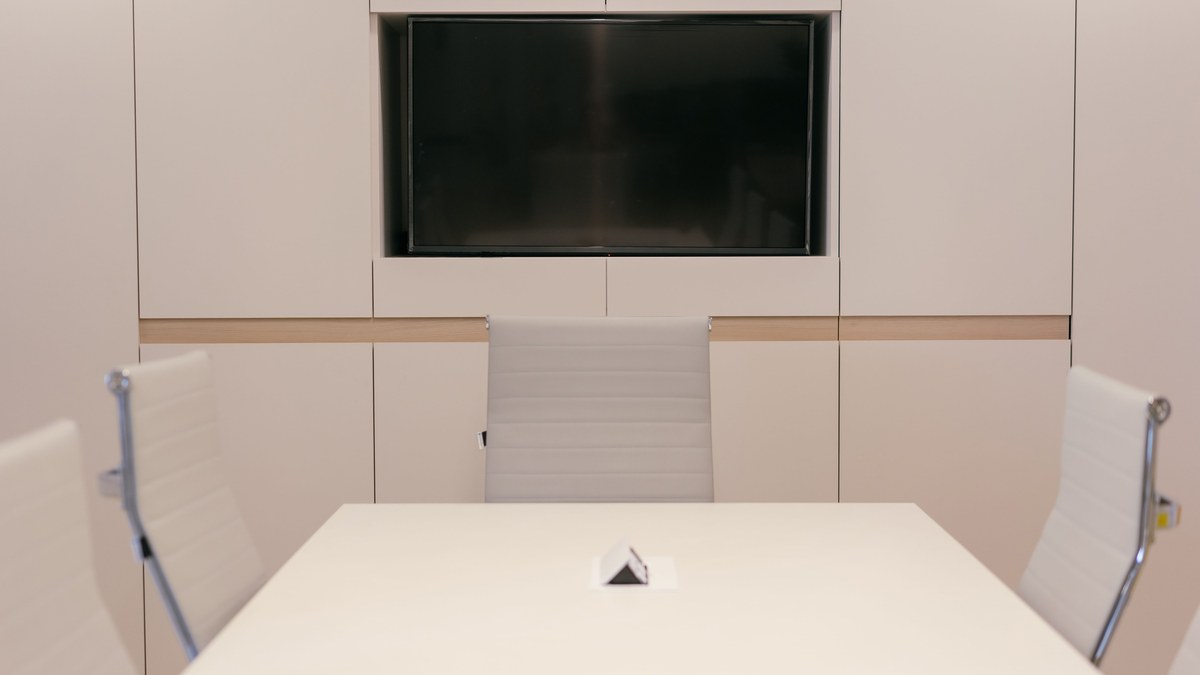
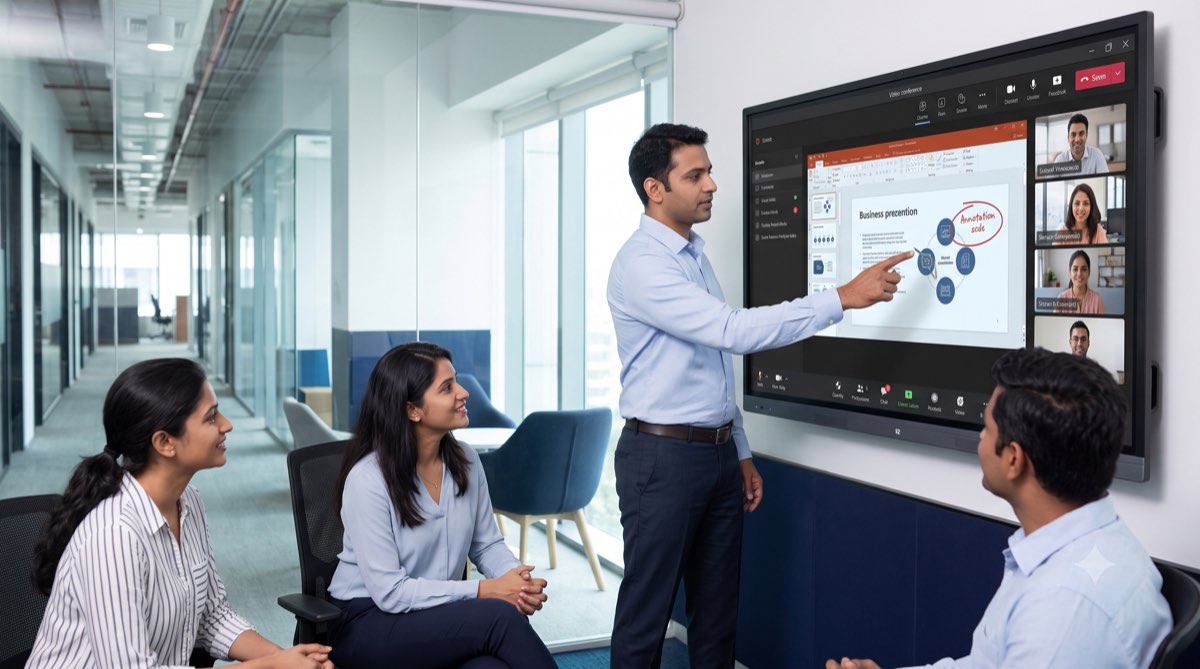
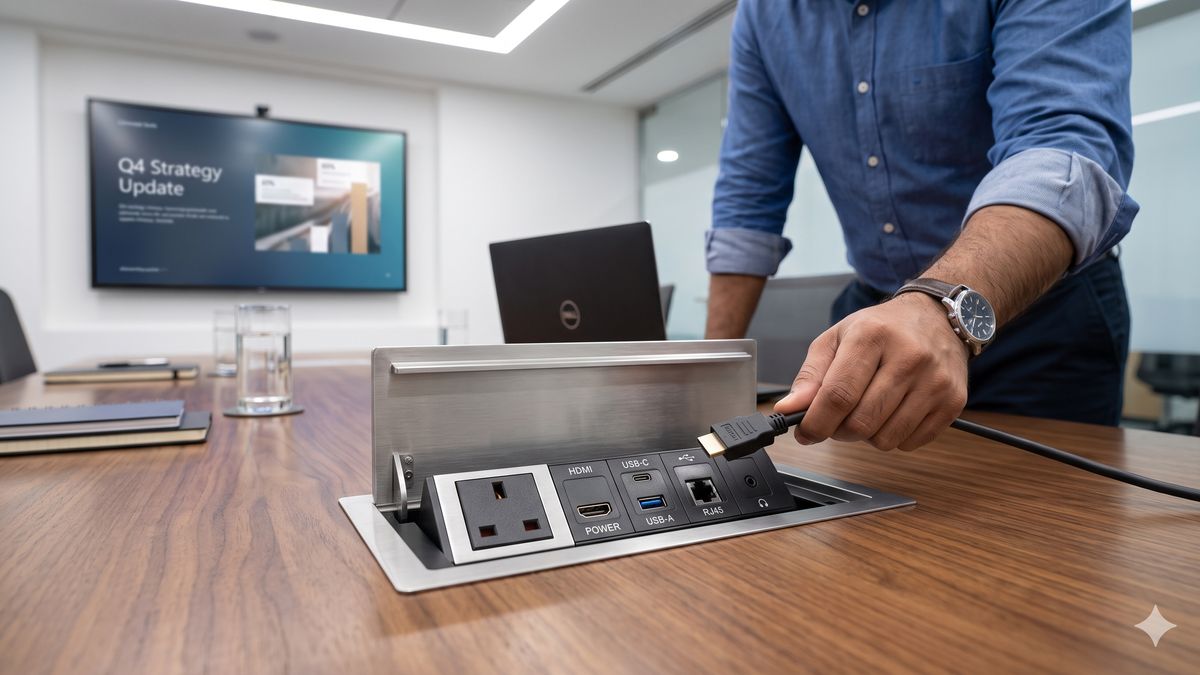
- Meeting & conference rooms — displays or interactive displays, video conferencing bars and codecs, microphones, speakers and DSP, plus room control. Our conference room setup checklist covers the kit by room size.
- Boardrooms & auditoriums — larger displays or LED video walls, ceiling microphone arrays, line-array audio, and scheduling. See the boardroom AV systems guide for tier-by-tier kit and cost.
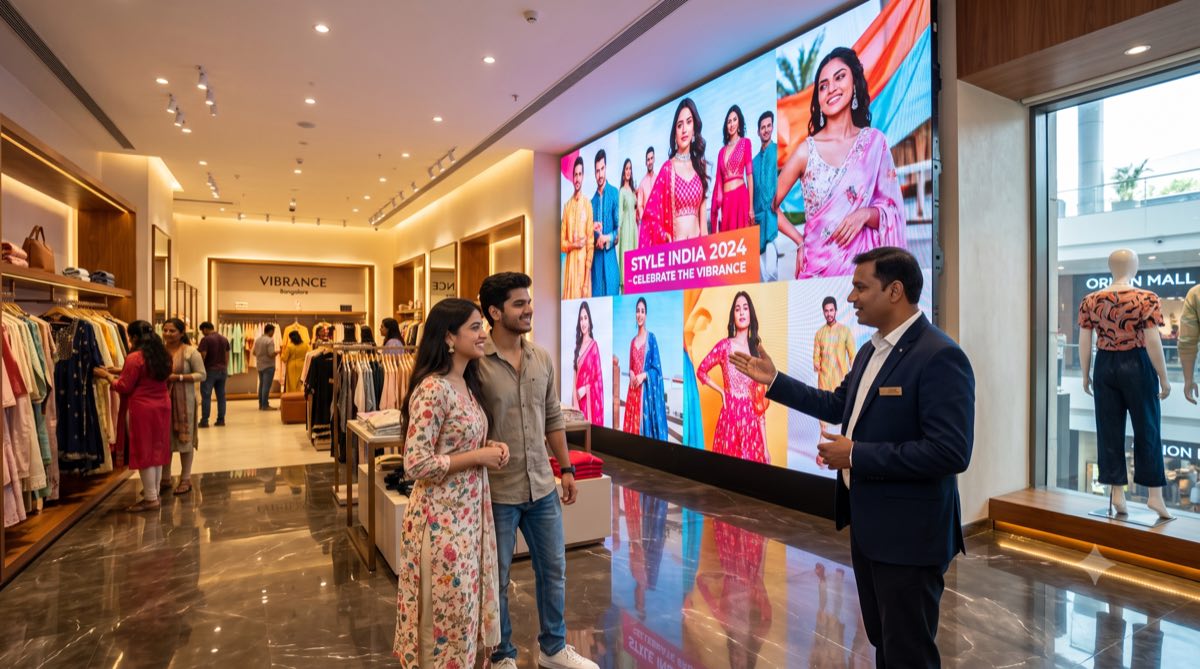
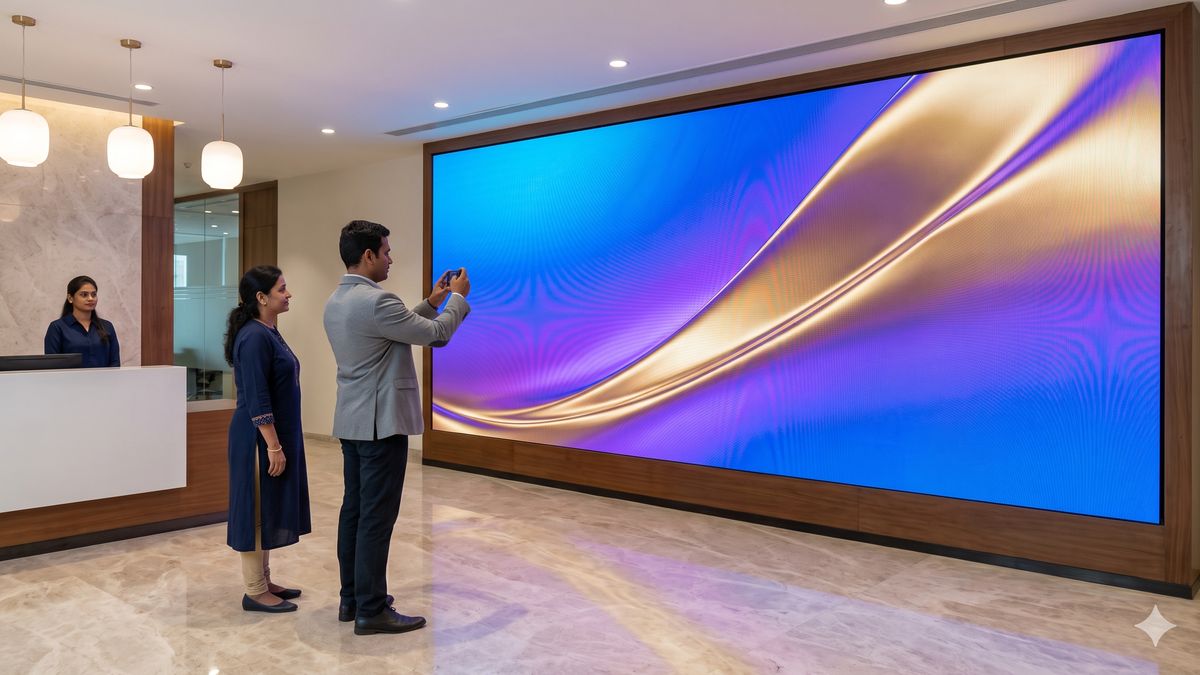
- Digital signage & experience zones — reception walls, wayfinding, and content management across a campus.
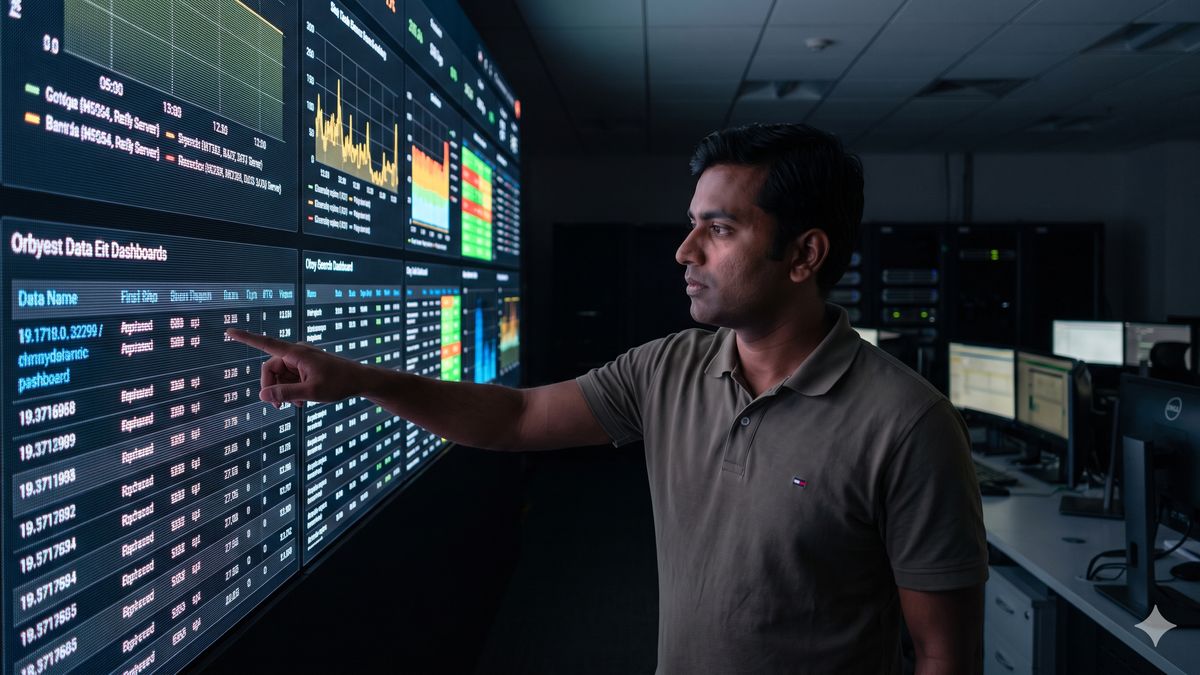
- Command & control rooms — video walls, KVM, and 24×7-rated hardware for NOCs, security and utilities.
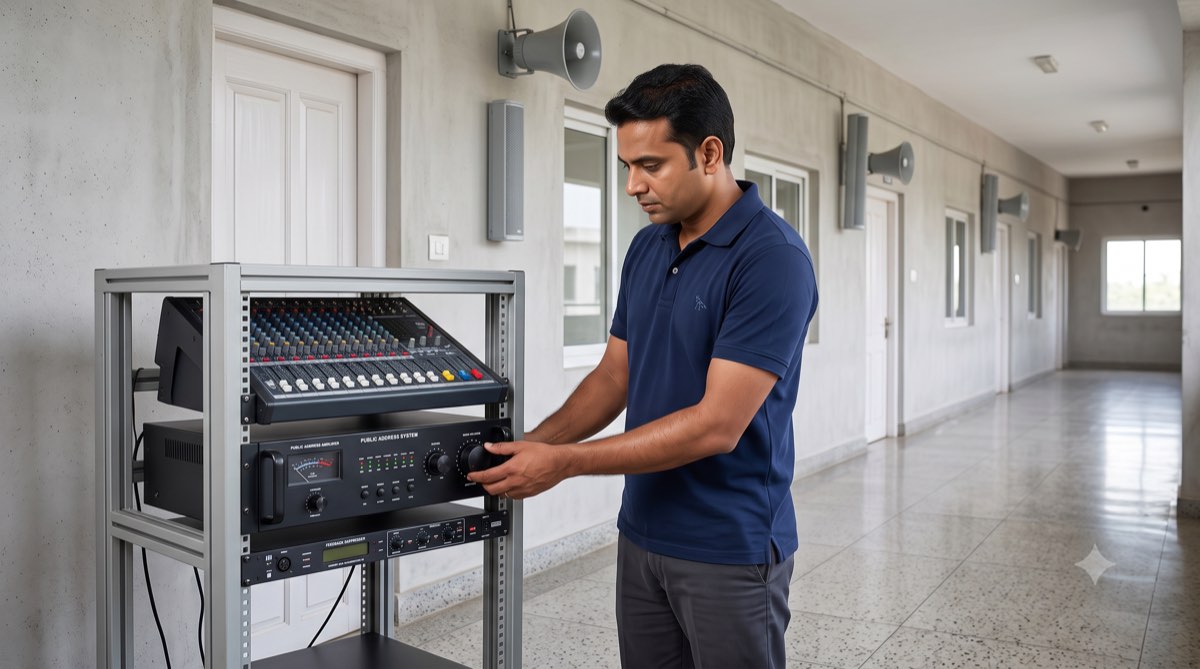
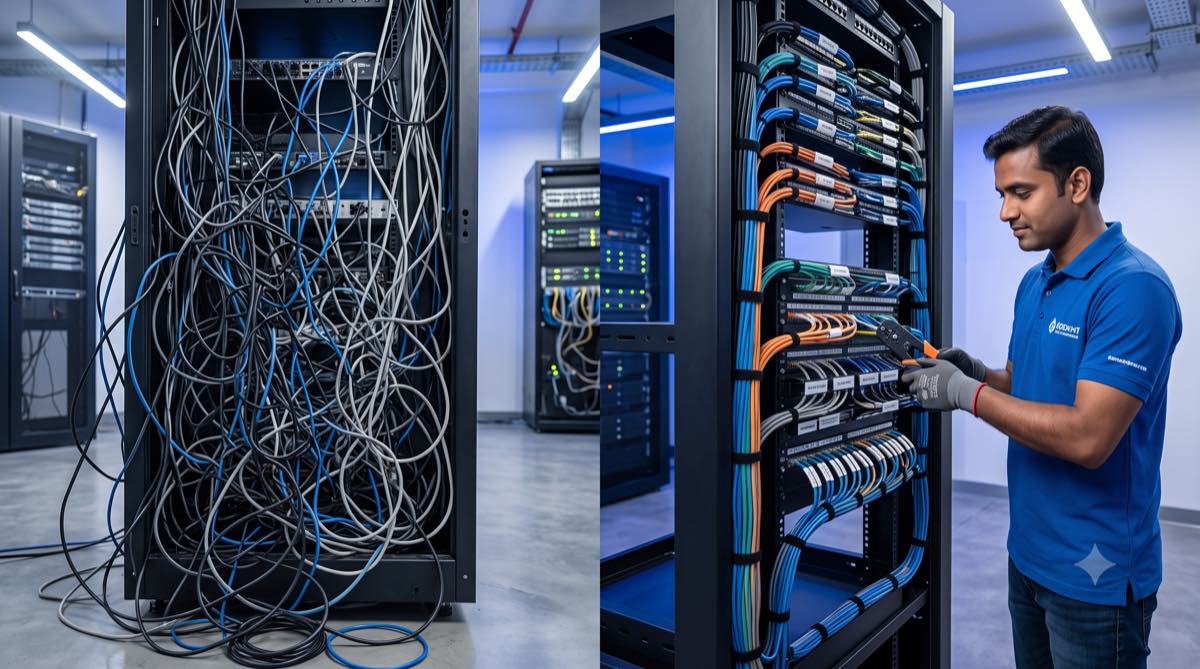
- Unified low-voltage systems — structured cabling and cable management, access control, PA and building automation that all touch the same network.
The key word is integration. Anyone can sell you a Logitech Rally bar or a Samsung display. The value of a systems integrator is that they make the camera, the microphones, the display, the control panel and the room-booking system work together — on your network, with your security policy — and then stand behind it. That is why the checks below matter far more than the unit price of any single box.
The 7 Checks Before You Sign a Contract
1. Certification and genuinely trained engineers
The AV industry has a global standards body — AVIXA — and its CTS (Certified Technology Specialist) credential is the baseline mark of a designer or engineer who knows how to calculate sightlines, audio coverage and signal budgets rather than guess. Ask directly: who on the team is certified, in design or installation, and will that person actually be on your project? A company that leads with named, certified engineers is telling you it competes on competence. One that answers “all our staff are experienced” is telling you it competes on price.
2. Authorised OEM partnerships
Authorised-partner status with the brands you’ll deploy — Logitech, Poly, Samsung, LG, Crestron, Ahuja/Bosch and others — is not a vanity badge. It determines whether you get genuine India-warranty hardware, firmware support, escalation paths when something fails, and honest lead times. Grey-market kit is cheaper on day one and orphaned on day 200 — no warranty, no RMA, no firmware. Ask which partner tiers the company holds and whether every line item on your quote carries an India warranty. For Microsoft Teams rooms, the certified-device requirements in Microsoft’s Teams Rooms documentation are a quick way to confirm that the hardware being proposed is genuinely certified rather than “compatible”.
3. In-house installation, not anonymous subcontractors
This is the check that catches the most buyers. Many “integrators” are really sales desks: they win the order, then subcontract the installation to whoever is cheapest that week. When the room doesn’t work, the sales company blames the installers, the installers have already moved on, and you are stuck. A real integrator has its own installation crew and project managers, accountable from cabling to commissioning. Ask: “Who physically installs this — your staff or a subcontractor? Who is my single point of contact for the whole project?”
4. SLA and AMC terms — in writing, before you sign
A meeting room that goes dark before a client call is a business problem, not a technical one. The right partner puts response commitments on paper: guaranteed response time, on-site vs remote support, spare-hardware provisioning, and a clear Annual Maintenance Contract (AMC) for after the warranty. “We’ll be there when you call” is not an SLA. Look for defined hours, escalation levels, and preventive-maintenance visits — especially if you run multiple sites. The next section lists the exact terms to ask for.
5. Verifiable references and case studies
Ask for two or three projects of similar scale and type — a 200-seat auditorium buyer should not be reassured by a home-theatre portfolio. Then actually call a reference and ask the only question that matters: “If you were doing it again, would you use them?” A confident integrator will hand over references without flinching. If every project is “confidential” and no client can speak to you, treat it as an answer.
6. Financial stability and GST compliance
An AV project can run for weeks and tie up lakhs in hardware. You need a partner that will still exist at handover and through the warranty. Years in business, a registered entity, proper GST-compliant invoicing, and the ability to offer standard commercial terms are all signals of a company that treats this as a real business. Be wary of anyone offering a discount to skip the invoice — that saved tax is your lost warranty and your lost recourse.
7. Post-install support, documentation and training
The project is not finished when the display lights up — it is finished when your team can run the room without calling anyone. A professional handover includes as-built documentation, a simple one-page room guide, user training for staff and reception, and a spares/consumables plan. Ask what the handover pack contains and whether training is included. The companies that do this well are the ones whose rooms are still working — and still being used correctly — three years later.
What to Put in the SLA and AMC — Terms That Actually Protect You
Check 4 is the one most buyers accept on trust, so here is what “in writing” should mean. These are the typical bands we see serious integrators commit to for corporate clients in India in 2026 — use them as a floor when you compare proposals.
| SLA / AMC term | What to ask for | Typical band (India, 2026) |
|---|---|---|
| Remote response | Ticket acknowledged and remote diagnosis started | 1–4 business hours |
| On-site response | Engineer at site for business-critical rooms | Same day to next business day in metro cities |
| Resolution / workaround | Loaner unit or workaround so the room stays usable | 24–72 hours |
| Preventive maintenance | Scheduled visits against a written checklist | Quarterly (2–4 visits a year) |
| Critical spares | Named spares list held by the integrator (VC bar, touch controller, PSUs) | Listed in the AMC, replaced within 48 hours |
| Firmware & platform updates | Planned update windows for Teams / Zoom certified devices | Monthly or quarterly window |
| AMC pricing | Comprehensive (parts + labour) or non-comprehensive (labour only), stated clearly | Roughly 8–15% of hardware value per year |
| Reporting | Ticket log, uptime and preventive-maintenance reports | Quarterly review meeting |
Two details matter more than the headline numbers. First, define which rooms are business-critical — the boardroom, the town hall, the leadership floor — and attach the fastest response to those only; paying for four-hour on-site cover on every huddle room is money wasted. Second, ask whether the AMC is comprehensive (parts included) or non-comprehensive (labour only). A non-comprehensive contract that looks 40% cheaper can cost more the first time a display panel or a DSP fails outside its warranty. If you are weighing the options, our note on integrator vs reseller vs AMC-only support walks through the trade-offs.
AV Integration Companies in India — 2026 Project Cost Bands
Buyers always ask for a number, so here are honest indicative bands for professionally integrated spaces in India — genuine hardware, installation, programming and commissioning included. Final pricing is always confirmed after a site survey, because cabling routes, civil work and existing infrastructure move the figure more than the hardware does.
| Space type | Typical scope | Indicative installed cost (2026) |
|---|---|---|
| Huddle / small meeting room | Display + all-in-one VC bar + wireless share | ₹1.5 – ₹4 lakh |
| Standard conference room | Large display, VC codec + PTZ camera, mics, audio, control | ₹4 – ₹12 lakh |
| Executive boardroom | Dual display / video wall, ceiling mics, DSP, room control, scheduling | ₹12 – ₹35 lakh |
| Training room / town hall | Projection or LED, line-array audio, cameras, streaming | ₹15 – ₹50 lakh |
| Auditorium / multi-room campus | LED wall, full audio, control, signage, integration | ₹50 lakh+ |
Two rooms with identical hardware can differ 30% in installed cost because of cable routing, false-ceiling work, and how much existing infrastructure can be reused. That is exactly why a fixed “package price” quoted without a site visit should make you cautious — read our detailed breakdown of AV integration cost in Bangalore for how the line items build up.
Where the money goes
When a line-item BOQ arrives, expect roughly this split for a professionally integrated room. If a quote shows 90% hardware and a token “installation” line, the integrator has either under-scoped the work or plans to recover it through change orders later.
- Hardware — 55–65%. Displays, cameras, codecs, microphones, DSP, control and table connectivity, each with make, model and warranty stated.
- Cabling, mounts, rack, installation and civil — 15–20%. The part most often under-quoted; false-ceiling work and floor boxes live here.
- Programming, DSP tuning and commissioning — 8–12%. The difference between hardware that is connected and a room that works.
- Design, project management, as-built documentation and training — 5–10%. Cheap to include, expensive to skip.
- GST is charged over and above, on a proper tax invoice — see check 6.
How to Run a Clean AV RFP
You will get comparable quotes only if you give vendors comparable information. A tidy RFP saves weeks and exposes the box-resellers quickly:
- Describe outcomes, not products. “A 10-seat room certified for Microsoft Teams where any guest can share wirelessly” tells a designer more than a shopping list of part numbers.
- Insist on a site survey before pricing. Any integrator who quotes a room they haven’t seen is guessing — and you’ll pay for the guess later.
- Ask for a line-item BOQ, not a lump sum. You want to see the make/model of every item, the installation and programming as separate lines, and the warranty per item.
- Require the SLA/AMC and support model in the proposal, not as an afterthought at signing — use the table above as the minimum.
- Score on the 7 checks, weighting competence and support — not just the bottom line. The cheapest quote is rarely the cheapest project.
A simple scoring sheet
Turn the seven checks into a weighted score so the decision is defensible to finance and IT alike. Score each company from 1 to 5 on every check, multiply by the weight, and compare totals before you look at price.
| Check | Weight | What earns a 5 |
|---|---|---|
| Certification & engineers | 20% | Named CTS-certified designer and installer assigned to your project |
| OEM partnerships | 15% | Authorised for every brand quoted; India warranty on every line |
| In-house installation | 15% | Own crew, own project manager, one point of contact |
| SLA & AMC | 15% | Response, spares, PM visits and AMC pricing all in the proposal |
| References | 10% | Two similar-scale clients you actually spoke to |
| Stability & compliance | 10% | Registered entity, GST invoicing, years of trading |
| Handover & training | 15% | As-builts, room guide, training and spares plan included |
If a proposal comes back as a single lump-sum number with no site visit, no named engineer and no SLA, you have learned something important about that company before spending a rupee.
AV Integration Companies in India — FAQs
What does an AV integration company do?
An AV integration company designs, supplies, installs, programs and supports audio-visual systems — meeting rooms, boardrooms, auditoriums, digital signage and control rooms — as one connected system rather than a pile of separate products. A genuine integrator owns the whole chain from design and cabling to commissioning and after-sales support, so you have a single accountable partner instead of several vendors blaming each other.
How do I choose the best AV integration company in India?
Score the AV integration companies in India on your shortlist against seven checks: AVIXA/CTS certification and named engineers, authorised OEM partnerships with India warranty, an in-house installation team rather than anonymous subcontractors, written SLA and AMC terms, verifiable references at your scale, financial stability and GST compliance, and a real post-install support, documentation and training plan. Weight competence and support over the lowest price — the cheapest quote is rarely the cheapest project.
How much does AV integration cost in India in 2026?
Indicative installed costs range from ₹1.5–4 lakh for a huddle room, ₹4–12 lakh for a standard conference room, ₹12–35 lakh for an executive boardroom, and ₹50 lakh and up for auditoriums or multi-room campuses. Final pricing depends on cabling routes, civil work and how much existing infrastructure can be reused, which is why a site survey — not a fixed package price — gives an accurate number.
Why should I avoid buying AV equipment on the grey market?
Grey-market hardware is cheaper upfront but usually carries no India warranty, no firmware support and no RMA path when it fails. On a system meant to run for five to seven years, that saving becomes an expensive liability. An authorised integrator supplies genuine, India-warranty equipment with a GST invoice and a clear escalation route to the manufacturer.
What is the difference between an AV reseller and an AV integrator?
A reseller sells you boxes; an integrator delivers a working system. A reseller ships hardware and leaves installation and programming to you or a subcontractor. An integrator designs the solution, installs and programs it with its own certified team, commissions it against a specification, and supports it under an SLA. If a room stops working, the integrator is the single accountable party.
Should I hire a local AV integrator or a national one?
For a single site, a strong regional integrator often gives faster on-site support. For a multi-city rollout you want consistent standards and a partner able to deliver and support across locations. Vantage Systems is headquartered in Bangalore and delivers and supports AV projects across India — including Hyderabad — combining local responsiveness with national reach.
Does an AV integrator provide ongoing support after installation?
A professional integrator provides as-built documentation, user training, and an Annual Maintenance Contract with defined response times and preventive-maintenance visits. Ongoing support is where the difference between a reseller and an integrator is felt most — a good partner keeps your rooms working for years, not just to sign-off.
Talk to an AV Integration Partner You Can Verify
Vantage Systems has been Bangalore’s trusted AV integration partner since 1996 — AVIXA-trained engineers, authorised OEM partnerships, an in-house installation team, and support you can hold to an SLA. Whichever of the AV integration companies in India you shortlist, hold them to the seven checks above; we are happy to be scored on every one of them. Tell us about your rooms and we’ll start with a free site assessment and a transparent, line-item proposal.
- Call: +91 99451 70702
- Email: avsupport@vantagesinc.com
- Office: 21, Wellington Street, Richmond Town, Bengaluru, Karnataka 560025
- Request a free site assessment: vantagesystems.in/contact
Related reading: audio visual integration company in Bangalore, AV integration cost in Bangalore, how to choose an AV integrator, and our complete AV products range.