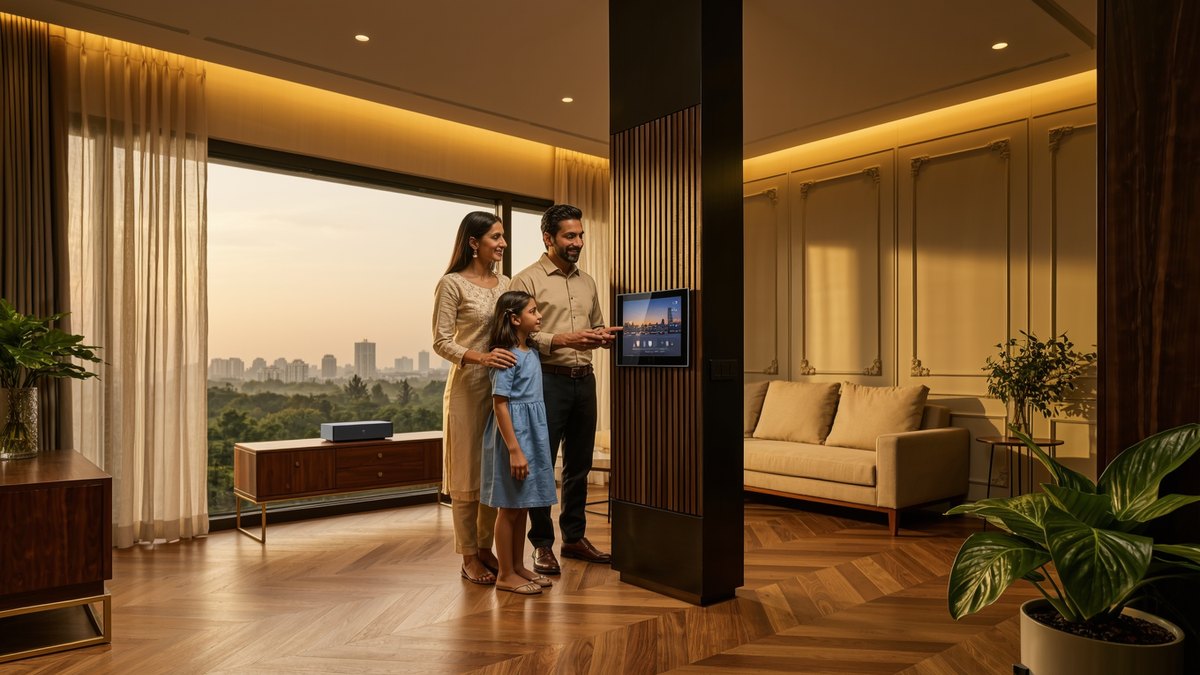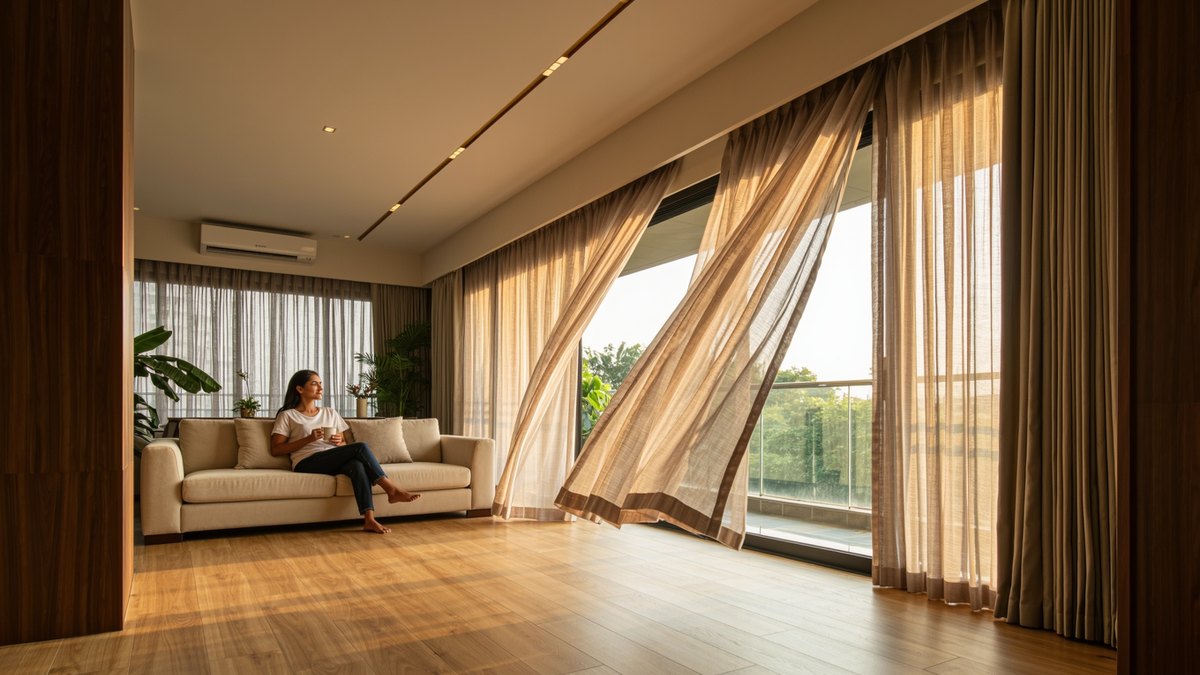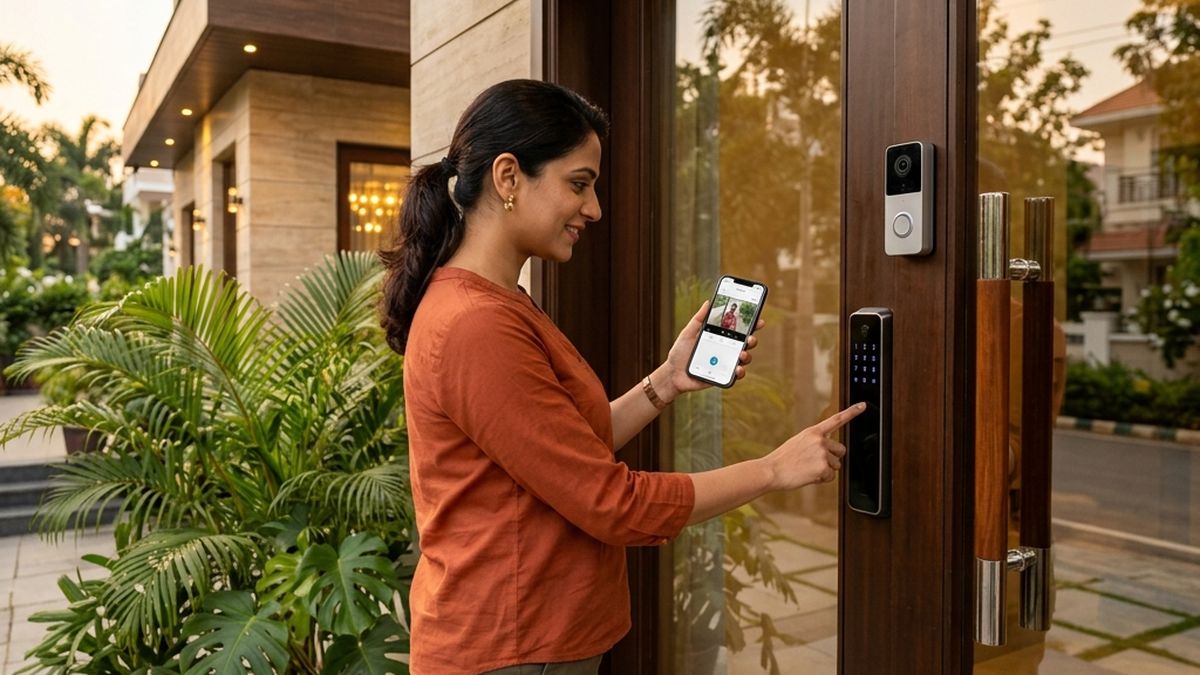
KNX home automation is what architects and integrators specify when a home has to work flawlessly for twenty years, not two. It is the wired, open standard behind lighting, curtains, climate and security in premium villas from Bangalore to Dubai to Munich — and in 2026 it is the closest thing the smart-home industry has to a gold standard. A KNX system for a 3BHK in India typically costs ₹6–12 lakh installed, and ₹14–22 lakh for a 4BHK villa. This guide explains what you get for that money: how KNX works, why it outlasts proprietary systems, what it costs line by line, and exactly how a KNX home is set up from drawings to handover.
It is written by an integrator that designs and installs KNX as part of its home automation services in Bangalore — so it is honest about where KNX is the right answer and where it is overkill.
KNX Home Automation at a Glance
| Question | Short answer |
|---|---|
| What is it? | An open, worldwide standard (ISO/IEC 14543-3, EN 50090) for home and building control, maintained by the KNX Association |
| How is it wired? | A dedicated two-wire low-voltage bus cable to every keypad, sensor and actuator, alongside the normal electrical wiring |
| Who makes it? | 500+ manufacturers — ABB, Schneider Electric, Siemens, Hager, Gira, Jung, Zennio, MDT and more — all interoperable |
| Works without internet? | Yes. Everything runs locally; the internet is only needed for remote app access and voice assistants |
| Best for | Villas, new builds and full renovations — 3BHK and above |
| Indicative 2026 cost (India) | ₹6–12 lakh (3BHK) · ₹14–22 lakh (4BHK villa) · ₹25 lakh+ (premium villa) |
How KNX Home Automation Works
In a conventional home, a switch on the wall physically breaks the 230 V supply to a light. In a KNX home, the switch is replaced by a sensor — a keypad, motion detector or thermostat — that sends a short message over the KNX bus. An actuator in the distribution board receives that message and switches, dims or moves the load. Because every device has its own processor and simply listens for the messages it has been programmed to respond to, there is no central brain that can fail and take the house down with it.
The building blocks of a KNX system
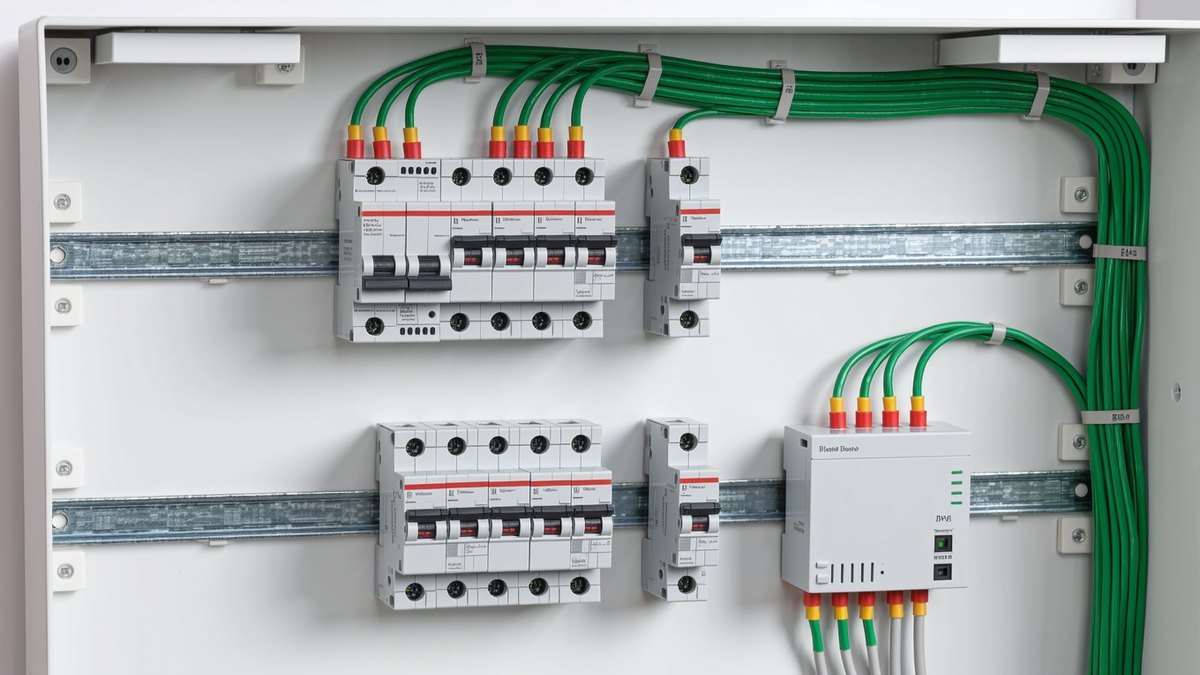
- KNX power supply. Feeds the low-voltage bus (around 30 V DC) for each line of devices.
- Actuators. DIN-rail modules in the distribution board — switching actuators for lights and sockets, dimming actuators or DALI gateways for dimmable lighting, and blind/curtain actuators for motors.
- Sensors. Wall keypads, presence and motion detectors, room thermostats, window contacts and weather stations.
- Gateways. An IP router or interface links KNX to the home network; further gateways connect split ACs, audio systems, cameras and door phones.
- Visualisation. A touch panel and a smartphone app give you the whole house — scenes, schedules and status — on one screen.
Topology in plain numbers
Each KNX line supports up to 64 devices per segment (expandable with line repeaters), lines combine into areas, and a full installation can address tens of thousands of devices — far beyond what any home needs. Cable runs on a line can total up to 1,000 m. In practice, a 4BHK villa usually fits on one or two lines, which is why KNX scales so cleanly from a 3BHK apartment to a 15,000 sq.ft estate.
Why KNX Home Automation Is the 2026 Gold Standard
- It is open and vendor-neutral. Every certified KNX product works with every other, whoever made it. If one brand exits India or discontinues a keypad, you replace it with another brand — no rip-and-replace.
- It is decentralised. No single hub runs the house. If a keypad fails, only that keypad stops; the rest of the home carries on.
- It runs without the internet. Lights, curtains, climate and scenes are all local. A broadband outage changes nothing inside the house.
- It lasts. KNX grew out of the EIB standard launched in 1990, and systems installed decades ago are still running and still extendable with today’s devices.
- It is wired, so it is reliable. No radio interference from neighbouring flats, no batteries to change in wall keypads, no mesh dropouts.
- It is secure by design. KNX Secure encrypts and authenticates bus and IP traffic, and the system is not exposed to the internet unless you choose to add remote access.
- It integrates everything. Gateways connect KNX to air-conditioning, DALI lighting, multi-room audio, CCTV, video door phones, Alexa, Google Home and Apple Home.
The trade-offs are real too: KNX costs more upfront, it has to be planned before plastering, and it needs a certified programmer. That is exactly why it belongs in villas and new builds rather than quick apartment retrofits. If you are weighing it against the other premium platforms, our Lutron vs Crestron vs KNX comparison lays the three side by side.
KNX vs Zigbee vs Wi-Fi / Matter
One of the most common questions we hear is how KNX compares with the wireless systems sold for apartments. The short answer: they solve different problems.
| Factor | KNX (wired) | Zigbee (wireless mesh) | Wi-Fi / Matter devices |
|---|---|---|---|
| Reliability | Highest — dedicated cable | Good if the mesh is well designed | Depends on the home Wi-Fi |
| Works offline | Fully | Usually, via a local hub | Varies by brand; Matter improves local control |
| Lock-in | None — 500+ interoperable brands | Moderate — hubs differ by brand | Reducing with Matter |
| Lifespan | 20+ years | 5–10 years | 5–8 years |
| Install stage | Before plastering | Any time | Any time |
| Typical 3BHK cost | ₹6–12 lakh | ₹1–3 lakh | ₹50,000 – ₹2 lakh |
Many of the best homes use both: a KNX backbone for lighting, curtains and climate, with a few wireless devices added later where pulling cable is not practical. For a wider view of how to choose between approaches, see our complete guide to home automation in Bangalore.
KNX Home Automation Cost in India — 2026
KNX pricing depends on the number of lighting circuits, curtains and AC units, the keypad design you choose, and the visualisation layer. These are indicative installed bands from Bangalore projects in 2026, including hardware, cabling, programming and commissioning.
| Home | Typical scope | Indicative installed cost (2026) |
|---|---|---|
| 3BHK apartment (new or full renovation) | 20–25 lighting circuits, 4 curtains, 3–4 ACs, 4–6 keypads, app | ₹6 – ₹12 lakh |
| 4BHK villa | 35–45 circuits, 8–10 curtains, 5–6 ACs, presence sensors, touch panel | ₹14 – ₹22 lakh |
| Premium villa (6BHK+) | Full DALI lighting, landscape, theatre and AV integration, multiple touch panels | ₹25 lakh – ₹1 crore+ |
KNX line items — what goes in the BoQ
| Line item | Indicative supply price (2026) |
|---|---|
| KNX power supply (per line) | ₹15,000 – ₹30,000 |
| KNX IP router / interface | ₹25,000 – ₹45,000 |
| Switching actuator (8–12 channels) | ₹20,000 – ₹45,000 |
| Dimming actuator (4 channels) or DALI gateway | ₹35,000 – ₹90,000 |
| Curtain / blind actuator (4 channels) | ₹20,000 – ₹40,000 |
| Wall keypad (per unit, standard to designer glass) | ₹8,000 – ₹35,000 |
| Presence / motion detector | ₹10,000 – ₹25,000 |
| Room thermostat or AC gateway (per AC) | ₹12,000 – ₹30,000 |
| Touch panel / visualisation server and app | ₹40,000 – ₹1.5 lakh |
| KNX bus cable, DB space, installation | 10–15% of hardware value |
| ETS programming, commissioning, documentation | ₹50,000 – ₹1.5 lakh |
Over ten years KNX often ends up cheaper than it first looks: there are no subscription fees, no batteries in wall devices, and individual parts can be replaced with any brand. Our home automation cost guide compares these numbers with wireless systems for 2BHK, 3BHK and villas.
How a KNX Home Automation Setup Works — Step by Step
- Requirement workshop. Room-by-room scenes, how the family lives, which loads must be dimmable, how many curtains and ACs, and what should happen when you leave, sleep or travel.
- Design and device schedule. The integrator marks keypad, sensor and panel positions on the electrical drawings, sizes the KNX lines and power supplies, and issues a device list and BoQ.
- First fix — bus cable. The green KNX cable is laid in conduit alongside the mains wiring by the site electrician, in a line or tree layout (no closed rings), with back boxes at every keypad and sensor position.
- Distribution board. Extra DIN-rail space is reserved in the DB — KNX actuators replace a large share of the wall switches, so plan for the larger board early.
- Second fix. After painting, actuators are mounted and wired in the DB, keypads and sensors are fitted, and curtain motors and AC gateways are connected.
- Programming in ETS. The certified integrator programs every device with ETS, the official KNX engineering software: physical addresses, group addresses, scenes, timers and logic.
- Visualisation and voice. The touch panel, app and Alexa / Google / Apple Home links are configured.
- Testing and handover. Every circuit and scene is tested, the family is trained, and — importantly — you receive the ETS project file and as-built drawings, so your home is never tied to one installer.

What a KNX Home Can Automate
- Lighting. Switching, dimming, DALI and tunable-white lighting, with scenes per room and one “All off” at the door.
- Curtains and blinds. Motor control with sun-tracking and sunrise/sunset timers — see our guide to motorised curtains for motor and track choices.
- Climate. Split AC and VRF control, underfloor heating where used, and presence-based set-backs that cut energy bills.
- Security. Door and window contacts, presence simulation while you travel, and integration with cameras, locks and video door phones — the layers covered in smart home security in Bangalore.
- AV and entertainment. Theatre scenes that dim lights, drop the screen and close the curtains, plus multi-room audio — designed with our audio-visual solutions team.
- Energy. Metering, load shedding during inverter operation, and pump and geyser schedules.
5 KNX Mistakes Indian Homeowners Make
- Hiring an installer who is not KNX-certified. Ask for the KNX Partner certificate and a reference project; poorly programmed KNX is the main reason people think it is “complicated”.
- Not getting the ETS project file. Without it, only the original installer can change anything — the one form of lock-in KNX is designed to avoid.
- Planning too late. Once walls are plastered, KNX becomes expensive. Decide at the drawings stage.
- Under-sizing the distribution board. Actuators need DIN-rail space; a cramped DB is hard to service and extend.
- Specifying KNX for a small rental apartment. For a 2BHK you may move out of in three years, a good wireless system is the smarter spend.
Want to understand the standard in more depth? The KNX Association publishes a clear technical overview, and its guide for home owners explains what to expect from a certified partner.
KNX Home Automation — FAQs
What is KNX home automation?
KNX home automation is a wired, open-standard system for controlling lighting, curtains, climate, security and AV in a home. Keypads and sensors send messages over a dedicated low-voltage bus cable to actuators in the distribution board, and products from more than 500 manufacturers work together because they all follow the same KNX standard.
How much does KNX home automation cost in India?
In 2026, KNX for a 3BHK apartment typically costs ₹6–12 lakh installed, a 4BHK villa ₹14–22 lakh, and premium villas with full DALI lighting and AV integration ₹25 lakh and above. The final figure depends on the number of circuits, curtains and ACs, the keypad design and the visualisation chosen.
Is KNX better than Zigbee?
For new builds and villas, yes — KNX is wired, more reliable, vendor-neutral and lasts 20 years or more. Zigbee is wireless, cheaper and can be added to a finished home without breaking walls, which makes it better suited to apartment retrofits. Many homes combine a KNX backbone with a few wireless devices.
Can KNX be installed in an existing home?
It can, but it is most cost-effective during construction or a full renovation, because the bus cable has to reach every keypad and sensor. In a finished home, KNX RF (wireless KNX) or a hybrid design that runs cable only where it is practical can work; a site survey shows which is sensible.
Does KNX work without the internet?
Yes. KNX runs entirely on its own bus inside the home, so lighting, curtains, climate and scenes keep working during an internet outage. Only remote access from outside the home and cloud voice assistants need connectivity.
Which KNX brands are available in India?
ABB, Schneider Electric, Siemens, Hager, Gira, Jung, Zennio and MDT are among the KNX brands available through Indian distributors. Because they all follow the same standard, a certified integrator can mix them — for example, one brand’s actuators with another brand’s designer keypads.
How long does a KNX installation take?
Cabling runs alongside the electrical work during construction. After painting, a 3BHK takes roughly one to two weeks for second fix, programming and testing, and a 4BHK villa two to four weeks. Imported keypads and actuators can have four to six week lead times, so order early.
Plan Your KNX Home with Vantage
Vantage Systems designs, installs and supports KNX home automation for villas and apartments across Bangalore and India — certified programming, multi-brand KNX hardware, in-house installation and an AMC after handover. Share your drawings or your home size, and we will design the KNX topology and give you a transparent, line-item BoQ after a free site assessment.
- Call: +91 99451 70702
- Email: avsupport@vantagesinc.com
- Office: 21, Wellington Street, Richmond Town, Bengaluru, Karnataka 560025
- Request a free site assessment: vantagesystems.in/contact
Related reading: home automation companies in Bangalore, Lutron vs Crestron vs KNX, home automation in Bangalore — complete guide, motorised curtains, and home automation cost in Bangalore.
If your villa or apartment also needs a conference room, theatre or AV setup, see our AV integrators in Bangalore.